 (310) 773-5207
Global hotspots have recently flared up, and there have been numerous attacks on shipping in certain areas of the world in recent years. If you are a seaman who has been hurt on the job, the California Jones Act lawyers at The Law Offices of Preston Easley, APC can help.
Typically, your employer would not be legally responsible when you have been injured by an act of War when on a vessel, but that is not the end of the story. If you file a lawsuit against your employer, a court may look at the circumstances that led up to your injury. Your employer’s duty of care may mean that they need to plan the safest possible route and ensure that there is the proper equipment to protect you from acts of War to the full extent possible.
To learn more about whether you can file a Jones Act lawsuit if you have been injured in a war-related attack, speak to the California Jones Act attorney at The Law Offices of Preston Easley, APC by calling our team at 310-773-5207.
Employers Are Usually Not Liable for Acts of War
The general rule is that acts of war should not lead to employer liability. An “act of war” generally refers to hostile or violent actions carried out by a sovereign state or organized military force in the course of armed conflict. Acts of war may include the following:
- Missile attacks
- Drone attacks
- Mines
However, an act of war does not include piracy or other criminal actions that occur on the high seas, even though pirates are often organized and well-armed forces. In addition, acts of terrorism on the high seas are also not considered to be war.
There Are Circumstances That May Allow a Lawsuit for Acts of War
Many think that an act of war means that injured seamen completely lose the right to sue their employer in a personal injury lawsuit. It certainly is more difficult to successfully file a claim, but there are some circumstances that may support a potential lawsuit. Everything will depend on the facts and circumstances of an individual lawsuit and what the employer may have done immediately prior to the act of war.
Legal protections and principles that aid seamen are not suspended during hostile or war conditions. There is not much direct legal precedent in cases that have been filed by seamen who have been directly injured by a war-related action. However, the United States Supreme Court held in The Osceola that basic protections apply even in the event of war. In Hust v. Moore-McCormack Lines, the Supreme Court allowed a seaman to sue for injuries that he suffered when the ship was operating during wartime, suggesting that employers can still be negligent under these circumstances.
Proving Negligence in a Jones Act Lawsuit Involving Acts of War
You must still prove negligence to win any Jones Act claim against your employer. An employer may still have been careless in the circumstances surrounding any war-related attack that caused injuries to the crew. For example, crew members may not have been properly trained on how to deal with and respond to war-related attacks.
In addition, your employer may have made a decision for the vessel to traverse in a dangerous area that could and should have been avoided. If an employer did choose to route the vessel through a high-risk area, they should have taken the necessary and appropriate precautions to protect the crew. Traveling through a war-affected area when there are active hostilities could be a negligent decision in itself that may allow you to sue an employer.
In addition, seamen may also file a claim against their employer under the doctrine of unseaworthiness. If the vessel lacked adequate defenses against certain potential threats, you may claim that the vessel was unseaworthy. These types of claims also cover instances in which the ship’s crew is not properly trained for its intended purpose.
You must be prepared to deal with the following defenses that your employer may offer:
- No reasonable amount of care that the employer used could have prevented the act of war from occurring
- The employer selected a commercially reasonable route, and they followed all applicable government guidance
- The vessel was not unseaworthy
- The injured seaman failed to follow protocol or instructions
- You assumed the risk by being in a dangerous condition (although this defense should not apply in a Jones Act case)
Contact a California Jones Act Law Firm
A California Jones Act attorney at The Law Offices of Preston Easley, APC can explain whether you have a potential lawsuit against your employer and your legal path forward. Speak to one of our attorneys in a free consultation, which you can schedule by visiting us online or by calling us today at 310-773-5207.

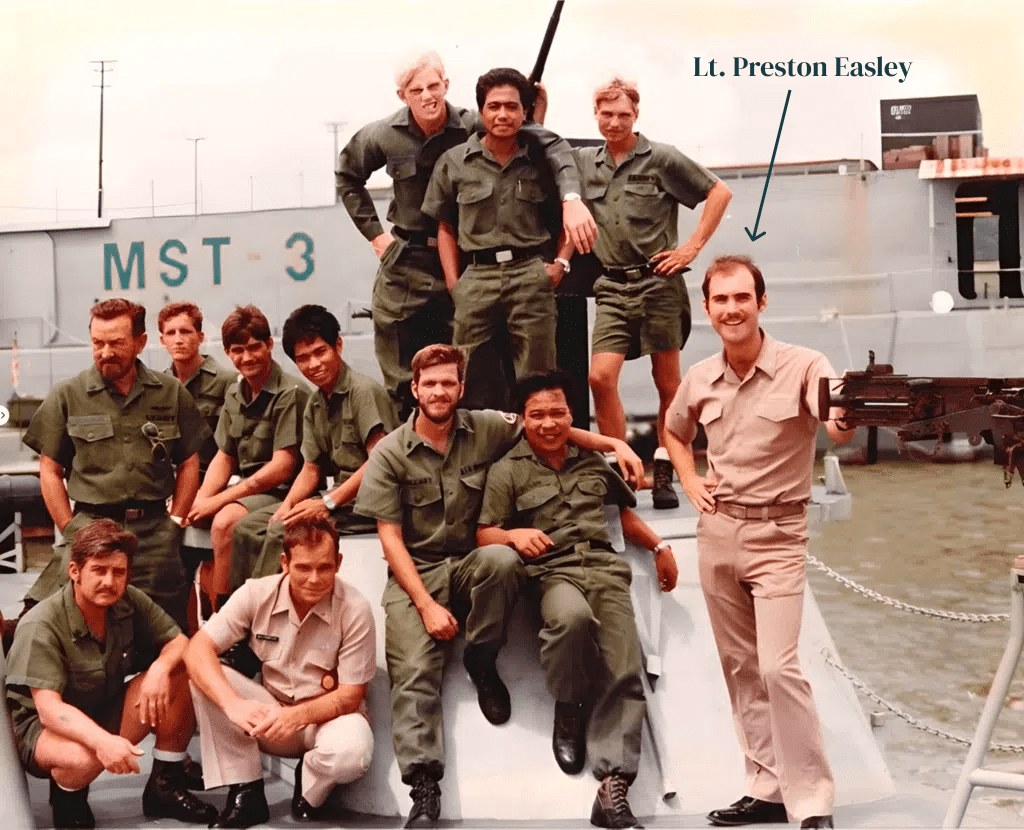
Preston Easley is a graduate of the United States Naval Academy in Annapolis, MD. He served five years of active duty as a Naval officer — three years as a deck officer on a fast frigate and two years as a patrol boat skipper. Mr. Easley also served aboard a tank landing ship in the reserves. Learn more here.