 (310) 773-5207

Under general maritime law, a vessel owner owes seamen an absolute, non-delegable duty to provide a vessel that is reasonably fit for its intended purpose. If you have been injured by an unseaworthy vessel, the California ship accidents lawyers at the Law Offices of Preston Easley, APC can hold the owner accountable.
Seamen who are injured on the job have several options for seeking compensation from their employer. Of course, the Jones Act is one way that you can hold your employer responsible when their negligence caused your injury. You also have the option of filing an unseaworthiness claim about the vessel itself, and you can bring this claim alongside your Jones Act lawsuit.
Maritime injury claims have filing deadlines, and waiting can put your case at risk. Reach out to the ship accidents attorneys at the Law Offices of Preston Easley, APC at (310) 773-5207 to schedule a free initial consultation.
What Is an Unseaworthiness Claim?
Unseaworthiness is a doctrine that comes from general maritime law. There is no specific statute that requires the owner to provide a seaworthy vessel. Instead, the legal doctrine has developed over time through common law and legal precedent.
To win an unseaworthiness claim in the 9th Circuit, you need to prove the following:
- You were a seaman
- The vessel was unseaworthy
- The unseaworthy condition caused your injury
In most legal cases, the question revolves around what exactly constitutes unseaworthiness. Courts have generally given a broad definition to what is considered unseaworthy in ways that allow injured seamen to file lawsuits in many situations. Here are some examples of types of situations in which courts have held that a vessel was unseaworthy.
Defective Work Equipment
The equipment itself is a common basis for unseaworthiness lawsuits. It does not matter whether the ship’s owner contributed to the dangerous condition. The fact that it existed in the first place could make them liable. The Supreme Court has further stated in Mahnich vs. Southern S.S. Co. that it is also immaterial that the vessel’s own personnel contributed to the situation when there was defective work equipment. When the problem was with the work equipment itself, the vessel’s owner would have to file their own claim against the manufacturer to be indemnified for the damages that they need to pay you.
Unsafe Operating Setups
Even if the work equipment was not defective in any way, the manner in which it is set up and operated could also be unseaworthy. The ship owner’s duty does not end when they supply equipment. Personnel must provide and operate the equipment in a safe manner. Even if the ship’s owner outsources certain operating functions to a third party, the owner could still be responsible for accidents. For example, the Supreme Court held an owner liable when the ship’s crew had improperly set a safety cutout device to a threshold far exceeding the safe capacity of the ship’s physical gear, and the action was accomplished by a third-party stevedore.
Slip and Fall Accidents
When a seaman has suffered a slip and fall injury, the legal case could be filed under both the Jones Act and the seaworthiness doctrine. Unlike a negligence-based slip and fall case, you do not even have to show that the employer knew about the dangerous condition to win your case. For example, one 1960 Supreme Court case reversed a lower court decision and allowed a seaman to recover compensation when he lost his footing due to a trawling ship’s rail being covered with slime and residue.
Untrained or Incompetent Personnel
Providing a seaworthy vessel encompasses more than just equipment and conditions. The personnel who run and operate the ship must also be adequately trained for their jobs. Even if the vessel itself is completely safe, an incompetent or undertrained crew member can lead to unseaworthiness. The Supreme Court has expressly held that seaworthiness includes the fitness of the crew, not merely the physical condition of the ship.
In a sense, an unseaworthiness case is much different than a Jones Act case. You do not have to prove negligence to win an unseaworthiness case. Instead, the doctrine functions much more like strict liability. Once you are able to show that the unseaworthy condition existed, the burden of proof then falls on the vessel owner to show why you should not be entitled to compensation.
Contact a California Ship Accidents Law Firm
Even if you do not have to prove negligence, an unseaworthiness claim can still be difficult. The California ship accidents lawyers at the Law Offices of Preston Easley, APC can assess your claim and fight for full damages. Schedule a free initial consultation with one of our lawyers by reaching out through our website or by calling us today at (310) 773-5207.

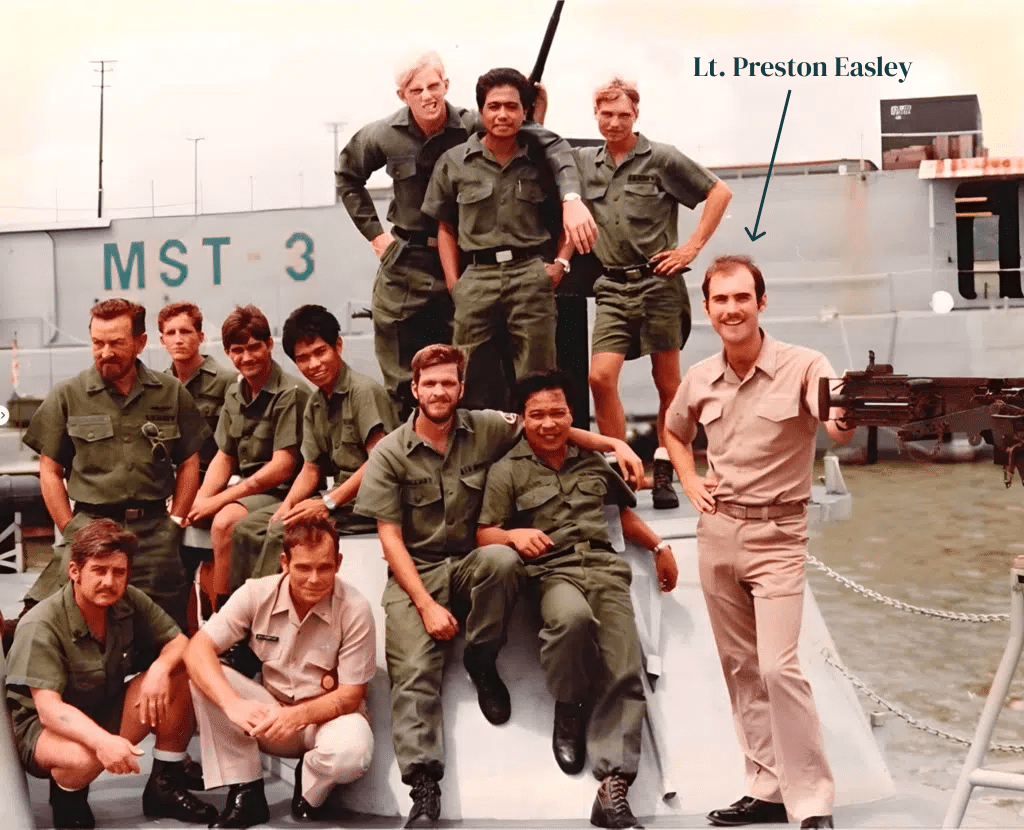
Preston Easley is a graduate of the United States Naval Academy in Annapolis, MD. He served five years of active duty as a Naval officer — three years as a deck officer on a fast frigate and two years as a patrol boat skipper. Mr. Easley also served aboard a tank landing ship in the reserves. Learn more here.