 (310) 773-5207
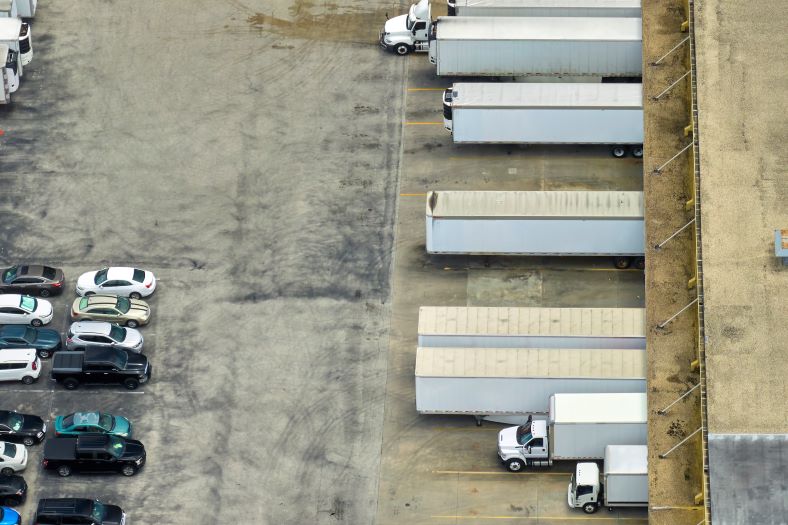
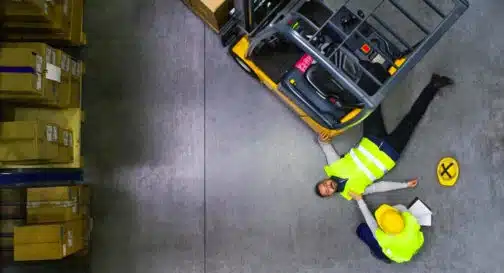
A container truck backs into your work area. An outside equipment hauler pulls forward while you are beside its trailer. A drayage driver turns across a terminal lane and strikes your vehicle. For a longshore worker, a truck accident can happen in seconds and leave injuries that threaten a career on the waterfront.
If the driver works for an outside trucking company rather than your stevedoring employer, you may have a third-party personal injury claim in addition to your Longshore Act benefits. Identifying that possibility early can make a significant difference in how your case is investigated and the compensation you pursue.
The Law Offices of Preston Easley APC represents injured maritime workers in Southern California and Hawaii. If you need a longshoreman truck accident lawyer in Long Beach, Los Angeles, San Pedro, San Diego or Honolulu, our firm can evaluate who caused the accident, who employed the driver, and whether a separate claim is available against the responsible parties.
When an Outside Truck Driver Injures a Longshore Worker
Longshore workers regularly work near trucks operated by companies that are separate from their stevedoring employer. These may include container haulers, port drayage carriers, equipment delivery companies and independent owner-operators.
A third-party truck accident may involve:
- A container truck striking a worker on foot in a terminal traffic lane.
- A tractor-trailer backing toward a worker without adequate clearance.
- An equipment delivery truck moving while a worker is loading, unloading or inspecting equipment.
- A truck pinning a worker against a chassis, container, barrier or another vehicle.
- A container hauler colliding with a vehicle operated by a longshore worker.
- Unsecured equipment or cargo shifting or falling from a truck or trailer.
- A trailer rolling or moving unexpectedly during a work operation.
For example, suppose a longshore worker is checking a container chassis when a driver employed by an outside drayage company moves the truck without confirming that the worker is clear. If that movement causes a crushing injury, the worker may have both a claim for employment-related benefits and a negligence claim against the driver or trucking company.
The fact that an accident happened at work does not, by itself, eliminate the possibility of a third-party lawsuit.
Longshore Act Benefits and Third-Party Truck Accident Claims
The Longshore and Harbor Workers’ Compensation Act, often called the LHWCA or Longshore Act, provides medical and disability benefits to eligible maritime workers. Coverage depends on the worker’s duties, the injury location and other legal requirements. A port address alone does not establish eligibility.
Longshore benefits generally do not require proof that someone else negligently caused the injury. A third-party truck accident lawsuit is different: it requires a legal basis for holding an outside person or company responsible.
Section 33 of the Longshore Act allows an eligible injured worker to pursue benefits and a claim against a legally responsible third party without having to choose one remedy at the outset. However, the two claims must be coordinated. A third-party recovery can affect reimbursement obligations and future benefit payments.
An injury occurring near the waterfront also does not automatically make the truck accident lawsuit a maritime case. The accident’s location and circumstances help determine which law applies and where the claim should be filed.
Why the Truck Driver’s Employment Relationship Matters
The Longshore Act generally protects a covered employer from an ordinary negligence lawsuit by its injured employee. Claims against coworkers are also restricted. An outside truck driver and a separate trucking company may stand in a different legal position.
Your attorney should investigate:
- Who employed, dispatched and supervised the driver.
- Who controlled the work being performed when the accident occurred.
- Whether the driver was an owner-operator, employee or supplied worker.
- Which companies owned or leased the tractor, trailer, chassis and equipment.
- Whether a borrowed-employee relationship or another immunity issue applies.
A different company name on the truck is a starting point, not a complete answer. Payroll records, contracts, dispatch communications and evidence of actual control may be needed to establish whether the driver was truly a third party.
Who May Be Liable for a Port Truck Accident?
Depending on the evidence and applicable law, potentially responsible parties may include the negligent driver, the driver’s employer, a company responsible for unsafe maintenance, a negligent loading contractor, or a manufacturer of defective equipment.
A trucking company may face responsibility for an employee’s negligent driving within the scope of employment. Its own conduct may also require investigation, including driver training, supervision, maintenance practices and dispatch instructions.
Ownership alone does not establish liability. Each potential defendant must be evaluated based on its duties, conduct and connection to the injury.
Unsafe Driving and Terminal Traffic Conditions
A longshoreman truck accident investigation may examine speeding, distracted driving, unsafe backing, failure to yield, disregard of terminal instructions, inadequate clearance or movement before workers are safely away from the truck.
OSHA’s marine terminal vehicle rules address traffic routes, posted speed limits, warnings to workers and vehicle spacing in designated situations. Which requirements apply—and to whom—depends on the operation. Safety rules can inform an investigation, but a violation does not automatically establish a claim against every company at the terminal.
Serious Injuries Can Affect a Longshore Worker’s Future
Container trucks and equipment haulers can cause crushing injuries, fractures, amputations, traumatic brain injuries, spinal injuries and internal injuries. Even after initial treatment, a worker may face difficulty climbing, lifting, standing for long periods or safely operating equipment.
A claim should account for the injury’s effect on the worker’s actual job. Medical restrictions, expected recovery, future treatment and the ability to return to waterfront employment all deserve careful attention.
Depending on the governing law and proof, a third-party lawsuit may seek damages for medical expenses, lost earnings, reduced future earning capacity, pain and suffering, and other recoverable losses. Longshore benefits do not include a separate pain-and-suffering award. Available damages, offsets and reimbursement obligations must be evaluated together; there is no automatic double recovery for the same loss.
Longshoreman Truck Accident Claims Across Southern California and Honolulu
Long Beach
For a worker injured by an outside container truck at the Port of Long Beach, identifying the carrier and preserving terminal records may be central to the case. Truck markings, chassis numbers, gate transactions and dispatch records can help connect a particular driver and company to the accident.
Los Angeles and San Pedro
Longshore workers injured at the Port of Los Angeles, including terminals in San Pedro and Wilmington, may need an investigation that follows several companies’ roles. The stevedore, trucking carrier, equipment owner and other contractors may have separate responsibilities. Our firm evaluates third-party truck injury claims involving workers throughout the Los Angeles harbor area.
San Diego
An equipment delivery or cargo truck accident at a San Diego waterfront worksite requires attention to both the truck operation and the injured worker’s duties. Whether the injury occurs in a cargo-handling area, near a loading operation or at another maritime worksite, benefits coverage and third-party liability require separate analysis.
Honolulu
Longshore workers injured by outside container haulers or equipment trucks at Honolulu Harbor may also have claims beyond employment-related benefits. A Honolulu longshoreman truck accident lawyer should evaluate applicable Hawaii law, potential federal issues, the driver’s employment relationship and how any recovery will interact with Longshore benefits.
Evidence to Preserve After a Container or Equipment Truck Accident
The investigation should begin while records and witnesses are available. Useful evidence may include surveillance video, truck camera footage, terminal entry records, dispatch messages, maintenance records, photographs, witness statements and electronic vehicle data, if available.
After an injury:
- Get medical attention. Explain how the accident happened and describe all symptoms.
- Report the injury promptly. Follow applicable employer and benefits reporting procedures.
- Identify the truck and driver if safely possible. Record company names, license plates, unit numbers and trailer or chassis identifiers.
- Keep records. Save medical paperwork, work restrictions, wage records and accident-related communications.
- Obtain legal advice before signing a release. A trucking company settlement may affect more than the personal injury claim.
An attorney can request preservation of evidence before video is overwritten, electronic records are lost or the equipment is repaired.
Do Not Settle a Third-Party Claim Without Addressing Longshore Benefits
Section 33 contains approval and notification requirements for third-party recoveries. Certain settlements require written approval from both the employer and its insurance carrier before execution. Failing to obtain required approval or provide required notice can terminate compensation and medical benefits.
Different deadlines can also apply to injury notices, Longshore claims and third-party lawsuits. Formal compensation orders may trigger additional rules affecting the right to bring a third-party action. Receiving benefit payments does not mean every deadline has been satisfied.
Legal advice early in the process can help protect both the truck accident case and continuing benefits.
Speak With a Longshoreman Truck Accident Lawyer
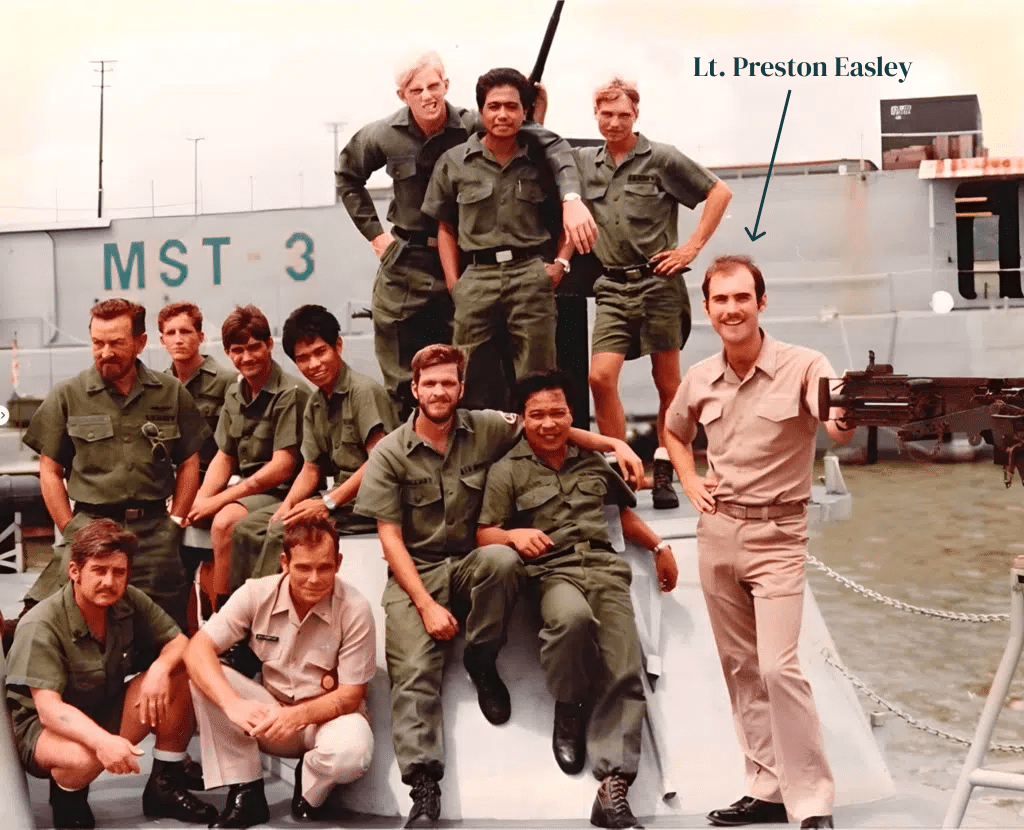
Preston Easley brings firsthand waterfront experience to maritime injury cases. A United States Naval Academy graduate and former Naval officer, he also worked as a longshoreman and marine machinist during law school. That background provides practical context for evaluating how truck movements and cargo operations can injure maritime workers.
If you were injured by a third-party container truck, equipment truck or drayage driver who was not employed by your stevedoring employer, contact the Law Offices of Preston Easley APC. We represent injured workers in Long Beach, Los Angeles, San Pedro, San Diego and Honolulu and can evaluate your potential claims against responsible outside companies.
Contact our firm for a free consultation to discuss the accident, your benefits and your options for pursuing compensation.
Editorial Sources
- 33 U.S.C. § 933 — Third-party claims, recoveries and settlements
- 33 U.S.C. § 905 — Exclusiveness of liability
- U.S. Department of Labor — Longshore Act FAQs
- U.S. Department of Labor — Employer immunity and borrowed employment
- OSHA — Marine terminal vehicle requirements, 29 CFR 1917.44
- Firm website — Background and service areas

Preston Easley is a graduate of the United States Naval Academy in Annapolis, MD. He served five years of active duty as a Naval officer — three years as a deck officer on a fast frigate and two years as a patrol boat skipper. Mr. Easley also served aboard a tank landing ship in the reserves. Learn more here.