 (310) 773-5207
Injured offshore renewable energy workers have legal options available to them under most circumstances. The California maritime injury lawyers at the Law Office of Preston Easley can help you explore all avenues to compensation.
California has set a goal of having offshore wind energy provide power for more than half of the state’s residents by 2045. The wind power in the Pacific Ocean off the coast of California is among the most conducive in the country for renewable energy. This will create thousands of jobs in the state, while at the same time putting workers at risk because they operate in a dangerous industry.
If you have been injured while working in the offshore renewable energy industry, you have several pathways to financial compensation. Call the California maritime injury attorneys at the law offices of Preston Easley at (310) 773-5207 to schedule a free initial consultation, where you will learn about your legal options.
A Growing Offshore Renewable Energy Injury Raises the Risks for Workers
The recent high price of oil has focused additional attention on the growing offshore renewable energy industry. Even if hydrocarbons are not involved, employees still face many of the same risks that they do because they are working offshore. These workers are exposed to harsh conditions, and they often lack access to immediate medical care if they are injured on the job.
There is a diverse set of risks facing workers in the offshore renewable energy field. Broadly speaking, these categories of risks include the following:
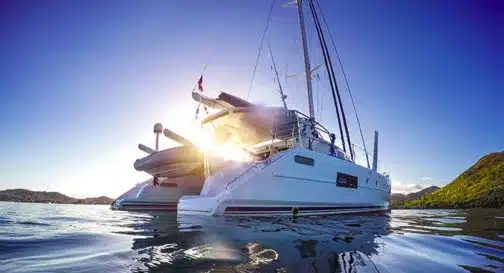
- Vessel-related hazards, such as slip and falls and injuries from ship collisions
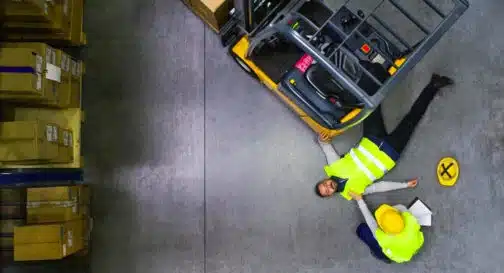
- Dangers from working with complex machinery, whether it is work equipment or wind turbines
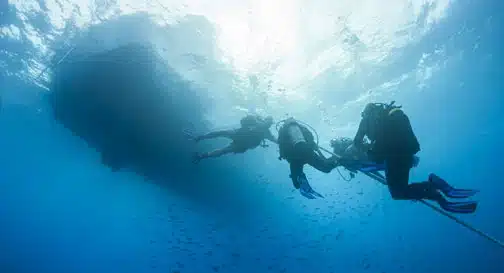
- Diving and underwater hazards, such as decompression sickness and entanglement risks
- Severe weather that can cause vessel instability and unstable conditions aboard a ship
- Fatigue and human factors, such as a lack of proper training or overuse of a body part
These risks have been increasing as companies work to ramp up their operations to take advantage of high energy prices. Even Europe, which has a more mature and extensively developed offshore renewable energy industry, still struggles with high injury rates for workers. Globally, the rate of injuries in the wind farm industry that have caused workers to miss time rose 19% in 2024. Although there are no statistics that directly address the renewable energy industry, injury rates in offshore work have increased substantially in recent years.
Injured Offshore Renewable Energy Workers May Be Able to File a Jones Act Lawsuit
When it comes to offshore renewable energy workers, the test of whether they qualify for Jones Act protections can be very complex. The basic prerequisite to file a Jones Act lawsuit is whether you meet the definition of a seaman. The key to this question is where you spend your time as a worker. You must have a substantial connection to a vessel. For example, you may live on a service operation vessel when you are performing work on a turbine. Even if you do not live on the vessel, you could still qualify as a seaman if you work on the turbine from an installation vessel.
There may be multiple parties who you can hold legally responsible for your injuries in a lawsuit. These include:
- The owner or operator of the vessel on which you were injured for unsafe conditions
- The owner of the project itself for things like defective design or failure to enforce safety standards
- General contractors or subcontractors who are working on the project
- Manufacturers of defective work equipment that injured you
- Third-party logistics providers or port operators
Regardless of fault, you can seek maintenance and cure benefits in the meantime. This will cover your living expenses while you are recovering from your injuries. In addition, maintenance and cure benefits also pay for your medical care. These benefits will last until you reach the point of maximum medical improvement, regardless of whether you will fully recover from your injuries.
Even if you do not meet the Jones Act definition of seaman, you still have legal options to pursue Financial compensation. The Longshoreman and Harbor Workers’ Compensation Act applies to those who are working offshore who are not seamen. Here, you can pursue a workers’ compensation type claim. You do not have to prove that anyone was at fault. So long as you can show that you suffered a job-related injury, you may qualify for benefits.
Contact a California Maritime Injury Law Firm
Offshore renewable energy work is dangerous, and injured workers deserve experienced legal guidance. The California maritime injury attorneys at the Law Offices of Preston Easley represent offshore wind and maritime workers harmed on vessels, turbines, and construction sites across California waters. Visit our website or call us today at (310) 773-5207 to speak with a maritime injury lawyer during a free initial consultation.

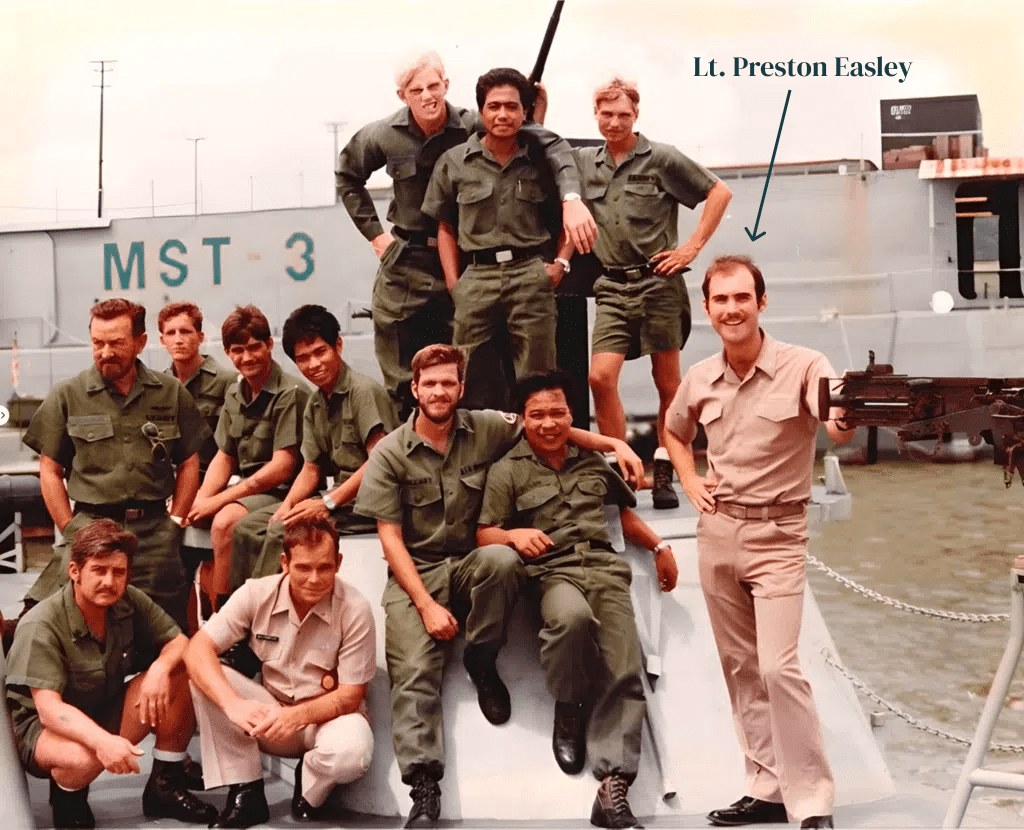
Preston Easley is a graduate of the United States Naval Academy in Annapolis, MD. He served five years of active duty as a Naval officer — three years as a deck officer on a fast frigate and two years as a patrol boat skipper. Mr. Easley also served aboard a tank landing ship in the reserves. Learn more here.